

When your air conditioner starts blowing warm air on a scorching Cleveland summer day, low refrigerant might be the issue. Refrigerant is the lifeblood of your cooling system, absorbing heat from inside your home and releasing it outside. Here’s what many homeowners don’t realize: refrigerant doesn’t get “used up” like fuel in a car. Your system is designed to operate with the same charge for years. So if you’re dealing with low AC refrigerant, you’re almost certainly looking at a refrigerant leak.
This guide will walk you through what refrigerant does, why low levels are a problem, and when to call for professional air conditioner repair.
What Does Refrigerant Actually Do?
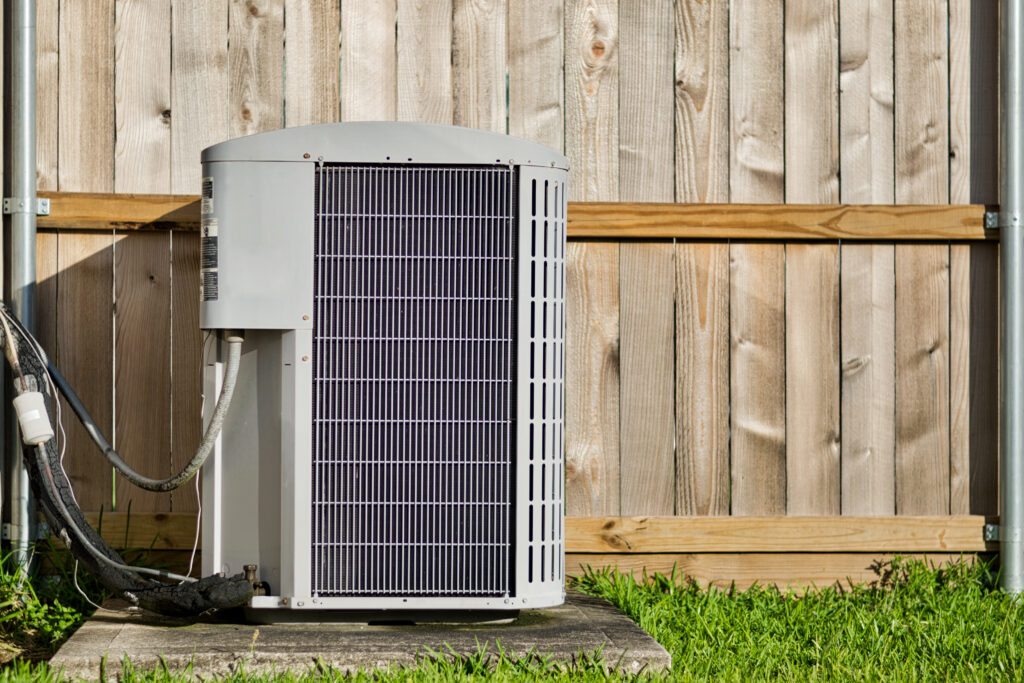
Refrigerant is a chemical compound that cycles through your air conditioning system, absorbing and releasing heat to cool your home. It starts as a cold liquid in the indoor coil, absorbing heat from the air blowing over it. That warmed refrigerant travels outside to the condenser, where it releases heat and cycles back to repeat the process.
This continuous loop makes modern air conditioning possible. The refrigerant changes from liquid to gas and back again, moving heat from inside your home to the outside. For this process to work efficiently, the system needs the exact amount of refrigerant the manufacturer specifies. Too little, and the system can’t absorb enough heat. Too much, and the compressor can be damaged.
What Causes Low Refrigerant Levels?
Since refrigerant doesn’t get consumed during normal operation, low levels mean something has gone wrong. The cause could come down to a few issues:
- Refrigerant leaks in coils or lines: The copper tubing and coils that carry refrigerant can develop tiny pinhole leaks over time. These small openings slowly release refrigerant until levels drop enough to affect performance.
- Corrosion: Exposure to moisture and outdoor elements can cause corrosion on coils and connecting lines, especially in older systems. Corrosion weakens the metal and creates small holes where refrigerant escapes.
- Poor installation: If your AC system wasn’t installed correctly, joints and connections might not be properly sealed, leading to slow leaks that show up months or years later.
- Factory defects: While rare, manufacturing defects can sometimes result in components that leak from day one.
Your AC system is sealed by design. Low refrigerant always indicates a problem that needs professional attention.
Warning Signs of Low AC Refrigerant
Catching a refrigerant leak early can save you from expensive repairs. Be on the lookout for these signs that your system might be running low on refrigerant:
- Your AC isn’t cooling properly: An air conditioner that runs but doesn’t cool effectively is the most obvious symptom. You might notice rooms that never reach the thermostat setting, or the system runs constantly without satisfying the temperature demand.
- Warm air from vents: If the air from your supply vents feels lukewarm instead of cold, low refrigerant could be preventing proper heat absorption.
- Ice buildup on refrigerant lines: Low refrigerant causes the indoor coil to get too cold, leading to ice formation on the copper lines. If you see frost or ice on these lines during summer, something is wrong.
- Hissing or bubbling sounds: A significant refrigerant leak sometimes makes noise. Hissing indicates gas escaping under pressure, while bubbling can suggest liquid refrigerant leaking.
- Higher energy bills: When refrigerant levels drop, your AC works harder and runs longer to achieve the same cooling. That extra runtime shows up on your utility bill.
- Longer cooling cycles: Your system might run for extended periods, struggling to reach the set temperature.
Don’t ignore these warning signs; what starts as a minor leak can lead to major damage.
Can Low Refrigerant Damage Your Air Conditioner?
Low refrigerant can cause serious damage to your air conditioning system. The problems start small but compound over time, eventually leading to complete system failure if ignored.
- Compressor overheating: Your compressor pressurizes the refrigerant and keeps it moving through the cycle. Low refrigerant reduces the cooling effect on the compressor, causing it to run hotter than designed. A failed compressor often means replacing the entire outdoor unit.
- Increased wear and tear: Every component works harder when the refrigerant is low. The compressor runs longer, fan motors spin more frequently, and electrical contacts cycle more often. This accelerated wear shortens the lifespan of parts throughout the system.
- Reduced efficiency: Even before failure occurs, low refrigerant degrades your system’s efficiency. You’ll pay more to cool your home while getting less comfort.
- Complete system failure: In severe cases, low refrigerant leads to total AC breakdown, often on the hottest days when the system is under maximum stress.
Why You Shouldn’t “Just Add Refrigerant”
When homeowners discover their AC is low on refrigerant, the first instinct is often to simply add more. This approach, sometimes called “topping off,” might seem like a quick fix, but it’s not a real solution. Here’s why:
- EPA regulations apply: Refrigerant handling is restricted to certified professionals by federal law. DIY refrigerant work can result in fines and environmental damage.
- The leak is still there: Adding refrigerant without fixing the leak is like putting air in a tire with a nail in it. You’ll get temporary relief, but the problem will return.
- Proper recharge matters: Your AC system is designed to operate with a specific refrigerant charge. Too much refrigerant can be just as damaging as too little. Professional technicians evacuate the system, repair the leak, and recharge it to manufacturer specifications.
How to Prevent Refrigerant Problems
There are a few things you can do to reduce the likelihood of refrigerant problems:
- Schedule annual AC maintenance: Having your system professionally inspected each spring gives technicians a chance to check refrigerant levels, inspect coils for corrosion, and identify potential problems before they cause breakdowns.
- Request coil inspections: During maintenance visits, ask your technician to inspect both the indoor evaporator coil and outdoor condenser coil. Dirty coils reduce efficiency and can contribute to corrosion.
- Repair small leaks early: If a technician finds a small leak, don’t put off the repair. A minor issue today can become a major problem during the hottest week of summer.
- Monitor cooling performance: Pay attention to how your system performs. If you notice longer run times, warm spots, or climbing energy bills, schedule a service call.
If you suspect a refrigerant problem or notice your AC is not cooling properly, professional air conditioner repair from the experienced technicians at W.F. Hann & Sons can get your system running efficiently again.
Schedule AC Repair Before Small Problems Get Worse
Low refrigerant might seem like a minor inconvenience, but it’s a sign that something is wrong with your cooling system. The longer a refrigerant leak goes unaddressed, the more damage it can cause to your compressor and other expensive components. What starts as a simple repair can turn into a complete system replacement if ignored.
W.F. Hann & Sons has been serving Cleveland-area homeowners since 1907, providing honest, upfront service from licensed and background-checked technicians. We service all brands, offer 24/7 emergency repairs, and provide free estimates on replacement quotes. Our team is ready to help homeowners throughout Cleveland, Shaker Heights, Cleveland Heights, and surrounding Northeast Ohio communities stay cool all summer long.
Schedule AC repair in Northeast Ohio today if you suspect low refrigerant or notice your air conditioner struggling to cool your home.