

Spring weather in the Northeast can be unpredictable. One week still feels like winter, and the next feels warm and humid. Because of that, many homeowners aren’t sure when to switch from heat to air conditioning.
There isn’t a perfect date to turn on your AC. It depends on how your home feels, outdoor temperatures, and whether your system is ready. At W.F. Hann & Sons, we tell homeowners that if your home feels uncomfortable for a few days in a row, it’s probably time to make the switch.
Signs It’s Time to Switch from Heat to Cooling
Most homeowners in the Northeast start using their AC in late spring, when daytime temperatures stay in the mid-70s or higher.
You may be ready to switch if:
- Your home feels warm and stuffy in the afternoon
- You’re opening windows daily to stay comfortable
- Indoor humidity makes the house feel damp or sticky
- You’re having trouble sleeping because it feels too warm
- Fans aren’t helping enough
Another sign is when overnight temperatures stop dropping into the 40s. Once nights stay mild, you likely won’t need to switch between heat and cooling.
Why You Shouldn’t Wait Too Long to Turn On Your AC
Waiting until the first hot day can lead to problems. After sitting all winter, your system may have a dirty filter, clogged drain line, or other issues that affect performance.
If you wait until the first 85-degree day, you could end up without cooling when you need it most.
Turning your system on earlier gives you time to see how it’s working. If you notice weak airflow, strange noises, musty smells, or warm air, schedule AC repair before peak summer demand.
The Importance of Spring AC Maintenance
Before you rely on your AC every day, it’s a good idea to have it checked.
Seasonal AC maintenance helps catch small issues before they turn into larger repairs. It also helps your system run more efficiently, which can reduce wear and help manage energy use.
During a spring maintenance visit, a technician may:
- Check refrigerant levels
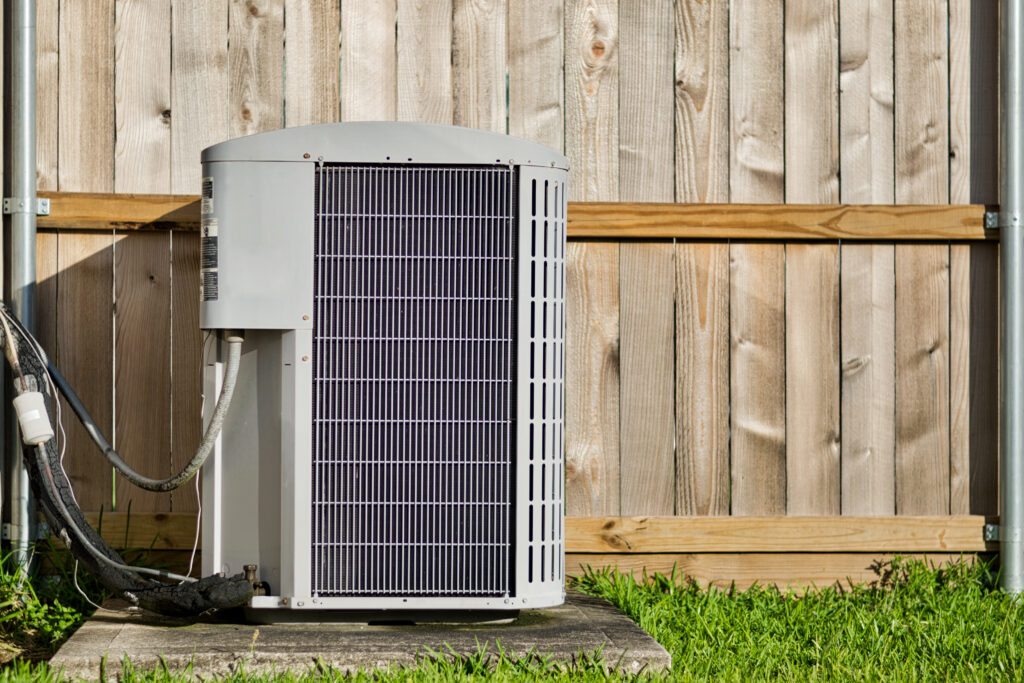
- Clean the outdoor unit
- Inspect electrical connections
- Test the thermostat
- Replace or clean the air filter
- Check the drain line
- Make sure the system is cooling properly
If your system struggled last summer or is getting older, maintenance becomes even more important.
Many homeowners also choose a maintenance plan, so they don’t have to remember to schedule service each year. It helps keep your system on track and may reduce the chance of unexpected repairs.
How to Prepare Your AC System Before Turning It On
Before turning your AC on, take a few simple steps.
Start by changing the air filter. A dirty filter can restrict airflow and make your system work harder.
Next, clear debris from around the outdoor unit and make sure there’s at least two feet of space around it.
Then switch your thermostat to cooling mode and let the system run for 10–15 minutes.
While it runs, check for:
- Cool air from the vents
- Unusual smells
- Rattling or buzzing noises
- Weak airflow
- Water near the indoor unit
If anything seems off, it’s better to address it now.
Best Thermostat Settings for Spring Comfort
Spring temperatures change quickly, so you’ll likely adjust your thermostat more often.
For most homes, 72 to 74 degrees works well. If humidity is higher, lowering it slightly can help.
If you’re away during the day, set it around 76 to 78 degrees and lower it when you return. A programmable thermostat can handle these changes automatically.
When to Call an HVAC Professional
Sometimes your AC isn’t ready for the season, even after you turn it on.
You should call a professional if:
- The system won’t turn on
- Airflow feels weak
- The air isn’t cooling
- You hear unusual noises
- The system keeps turning on and off
- You notice ice or water leaks
At W.F. Hann & Sons, we provide 24/7 service, upfront pricing, and licensed, background-checked technicians. We service all brands and offer free estimates on replacement quotes if your system isn’t keeping up.
Schedule your AC service with W.F. Hann & Sons today to ensure your system is ready before the first stretch of hot weather hits.