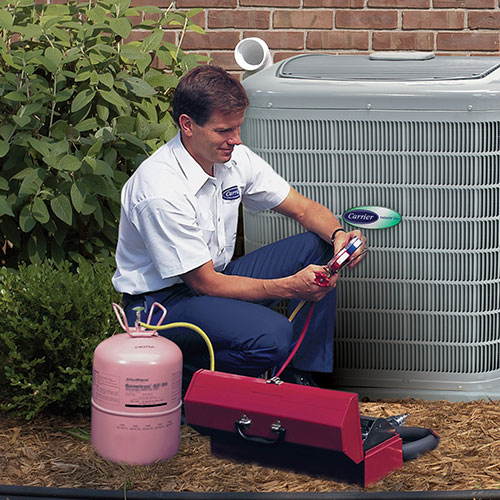
Your HVAC system may still heat and cool your home even when it isn’t working efficiently. Small problems can make the equipment run longer, use more energy, and struggle to keep every room comfortable.
Higher energy bills are one warning sign, but they aren’t the only one. Changes in airflow, temperature, noise, and cycle length can also point to a problem. An HVAC performance evaluation can find the cause and show whether a repair or maintenance service can improve the system.
Signs Of Poor HVAC Efficiency
Poor HVAC efficiency often develops slowly. You may notice that the system doesn’t perform as well as it once did, even though your thermostat settings haven’t changed.
Common warning signs include:
- Energy bills that rise without a clear reason
- Weak airflow from the vents
- Hot or cold areas in certain rooms
- Frequent starting and stopping
- Longer heating or cooling cycles
- New sounds or smells
- A home that feels too humid during the summer
- Dust building up faster than usual
One sign doesn’t always mean you need a major repair. Weather, energy prices, and how often you use the system can also affect your bills. If you notice several signs, schedule a professional inspection.
Longer Cycles and Uneven Temperatures
Your HVAC system should run long enough to reach the thermostat setting and then shut off. If it runs almost constantly, a dirty filter, airflow restriction, refrigerant problem, worn part, or incorrect system size may be making it work harder.
Uneven temperatures can also waste energy. Closed vents, leaking ductwork, poor insulation, or an HVAC problem may prevent conditioned air from reaching certain rooms. Turning the thermostat higher or lower may make the equipment run longer without fixing the cause.
A technician can check temperatures, airflow, controls, and equipment performance to find where energy is being lost.
Problems That Waste HVAC Energy
Many problems can waste energy even when the system still runs. A dirty coil can make it harder for your air conditioner to cool your home. Low refrigerant can also reduce cooling, while a bad thermostat or worn part can affect how the system runs.
Older equipment may use more energy, especially if it often needs repairs. However, an older system doesn’t always need to be replaced. A technician can inspect it and explain whether repair or replacement makes more sense.
Airflow and System Performance Issues
Restricted airflow is a common source of wasted energy. A clogged filter, blocked return vent, dirty blower, damaged duct, or failing motor can reduce the amount of air moving through the system.
Low airflow may leave some rooms uncomfortable and cause the HVAC system to run longer. It can also contribute to frozen coils, overheating, and added wear on important parts.
A technician can find and repair the cause. They may check the airflow, blower, coils, refrigerant, electrical parts, and thermostat.
Improving Your HVAC Performance
Start with simple steps. Replace dirty filters, keep vents open, and clear debris from the outdoor unit. Avoid changing the thermostat often.
Schedule service if the system starts working differently. Waiting could waste energy, wear out parts, and lead to a bigger repair.
Repair and Maintenance Solutions
Regular maintenance keeps your HVAC system clean and working properly. A technician can check the system, clean important parts, and find small problems early.
HVAC repair can fix worn or damaged parts. If the system is old, breaks down often, or can’t keep your home comfortable, consider air conditioning replacement.
Restore Your HVAC Efficiency with WF Hann in Cleveland, OH
W.F. Hann & Sons has served the Cleveland area since 1907. Our background-checked technicians provide HVAC evaluations, diagnostics, repairs, and preventive maintenance for all brands. We offer upfront pricing and 24/7 service when an HVAC problem can’t wait.
Contact W.F. Hann & Sons to schedule HVAC repair in Cleveland, OH, or a surrounding community.
Frequently Asked Questions
How Can I Tell My HVAC Is Inefficient?
Compare how the system works now to how it worked before. Longer run times, uneven rooms, weak airflow, or higher bills can mean it’s using too much energy.
Can HVAC Problems Increase Energy Use?
Yes. Even a small problem can make the system work harder to heat or cool your home. The longer it runs, the more energy it uses.
When Should I Schedule HVAC Repair?
Schedule a repair if the system runs differently, makes new noises, or stops keeping your home comfortable. Have sudden changes checked before the problem gets worse.